


Jala Neti, from the Sanskrit "jala" (water) and "neti" (nasal), is an ancient nasal cleansing method dating back to...
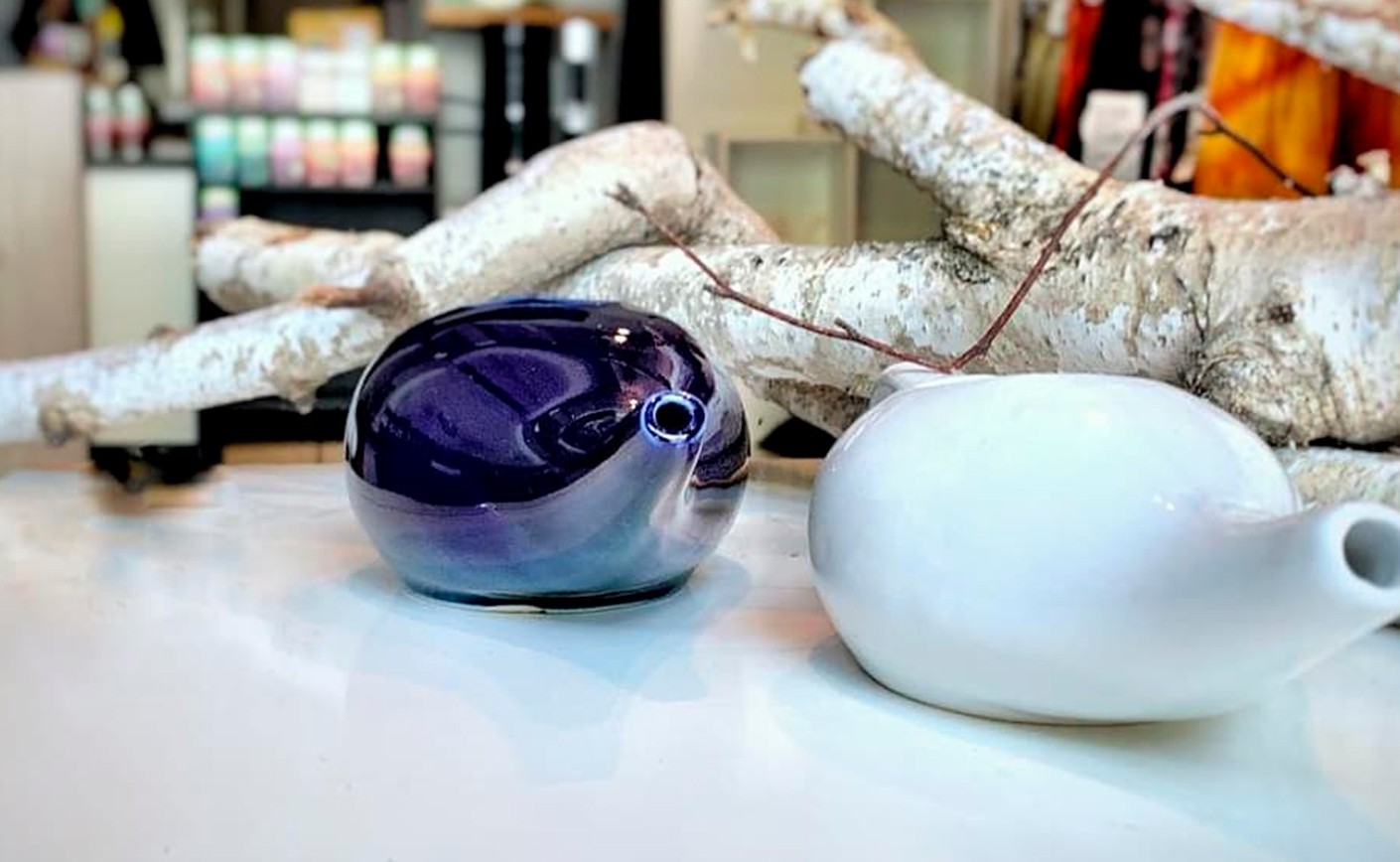
Jala Neti, from the Sanskrit "jala" (water) and "neti" (nasal), is an ancient nasal cleansing method dating back to...

Restorative yoga is a very gentle practice aimed at deeply relaxing the nervous system. It works with and through the...
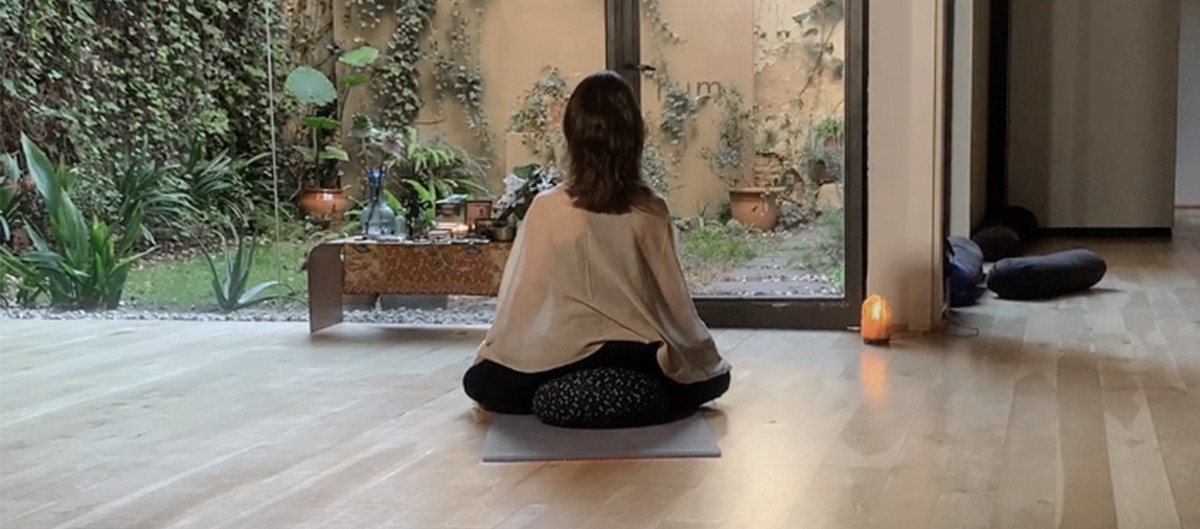
Start NOW, BREATHE Have you ever felt that life moves at such an intense pace that it pushes you towards...
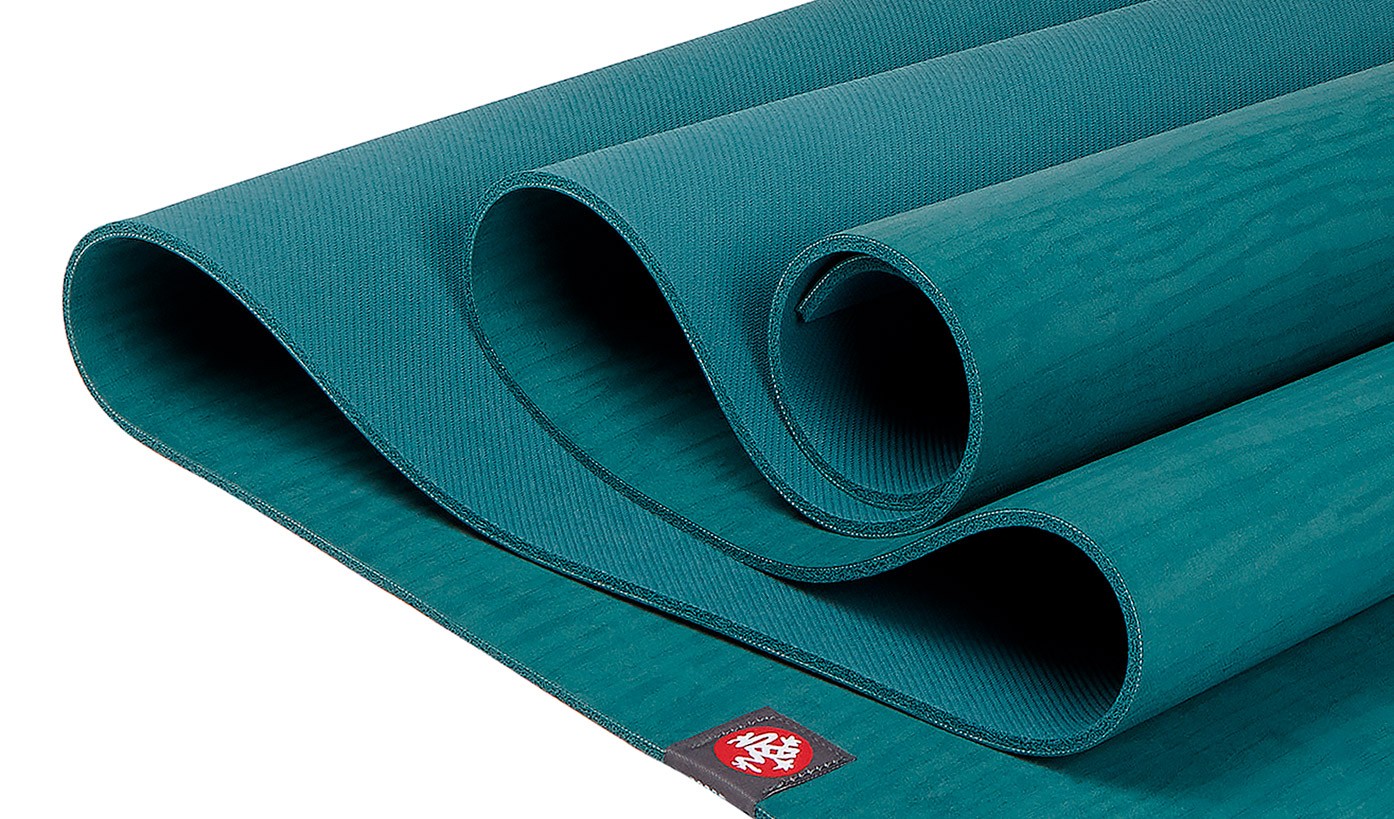
Yoga mats are made of different materials, some grippier than others, and they behave differently depending on how...

Om mani padme hum · Om mani padme hum · Om mani padme hum · Om mani padme hum ... Repeating these syllables carved...
Jala Neti, from the Sanskrit "jala" (water) and "neti" (nasal), is an ancient method of nasal cleansing that dates back to time immemorial, comparable to the home remedies that bring wellbeing and clarity. Recommended for centuries, this technique is rooted in Hatha Yoga, with references in ancient texts such as the Hatha Yoga Pradipika and the Gheranda Samhita. Its practice is in line with the principles of Ayurveda, especially in the context of Nasya, a purification technique that cleans the airways and keeps them free of blockages.
This simple procedure of nasal cleansing with salt water has many benefits, especially for people who live in urban and polluted areas. It helps relieve nasal congestion and improve breathing, which is often affected by pollution or by foods rich in dairy and sugar that create excess mucus. Its benefits include:
Preventing sinusitis and colds.
Reducing pollen allergies.
Relieving asthma.
Keeping the olfactory nerves healthy.
Easing mental tension and headaches.
To practise Jala Neti and make sure the nasal cleansing is effective, you will need:
A neti pot (lota): a jug with a spout designed to fit the nostrils.
Fine unrefined sea salt: avoid table salt, as it contains additives that can irritate the mucous membranes.
Warm water: it must be safe to drink (distilled, or boiled and cooled) and at body temperature (about 37-38 °C).
Preparing the saline solution:
Fill the neti pot with warm water.
Add a teaspoon of fine sea salt for every half litre of water.
Stir until the salt has completely dissolved.
Position:
Lean forward over a basin.
Turn your head to one side, with one ear lower than the other, so the water can flow from one nostril to the other.
Application:
Place the spout of the neti pot in the upper nostril.
Slowly pour in the saline solution. The water will pass through the nasal cavity and come out of the other nostril.
Breathe calmly through your mouth.
Repeat:
Repeat the process with the other nostril.
Drying the nostrils:
When you have finished, breathe out gently to remove the remaining water.
It helps to blow out with moderate force, closing one nostril and blowing through the other, so no water stays inside. This removes any remaining water effectively.
Avoid blowing too hard, as this could push water towards the inner ear and cause discomfort or infections.
Do not use water without salt, as it can be irritating.
Avoid it if you have a severe nasal infection, a fever or a blocked ear.
See a professional if you suffer from chronic sinusitis or nasal deformities.
Practising Jala Neti regularly is very effective for keeping the airways clean, especially in polluted environments or for people who suffer from allergies. Rooted in the ancient teachings of Hatha Yoga and consistent with the principles of Ayurveda, this technique offers a natural and effective solution for nasal and respiratory health.
Om mani padme hum
The right mat makes the difference
First steps into meditation
The practice of restorative yoga
Leave a comment