
Jala Neti, from the Sanskrit "jala" (water) and "neti" (nasal), is an ancient nasal cleansing method dating back to...
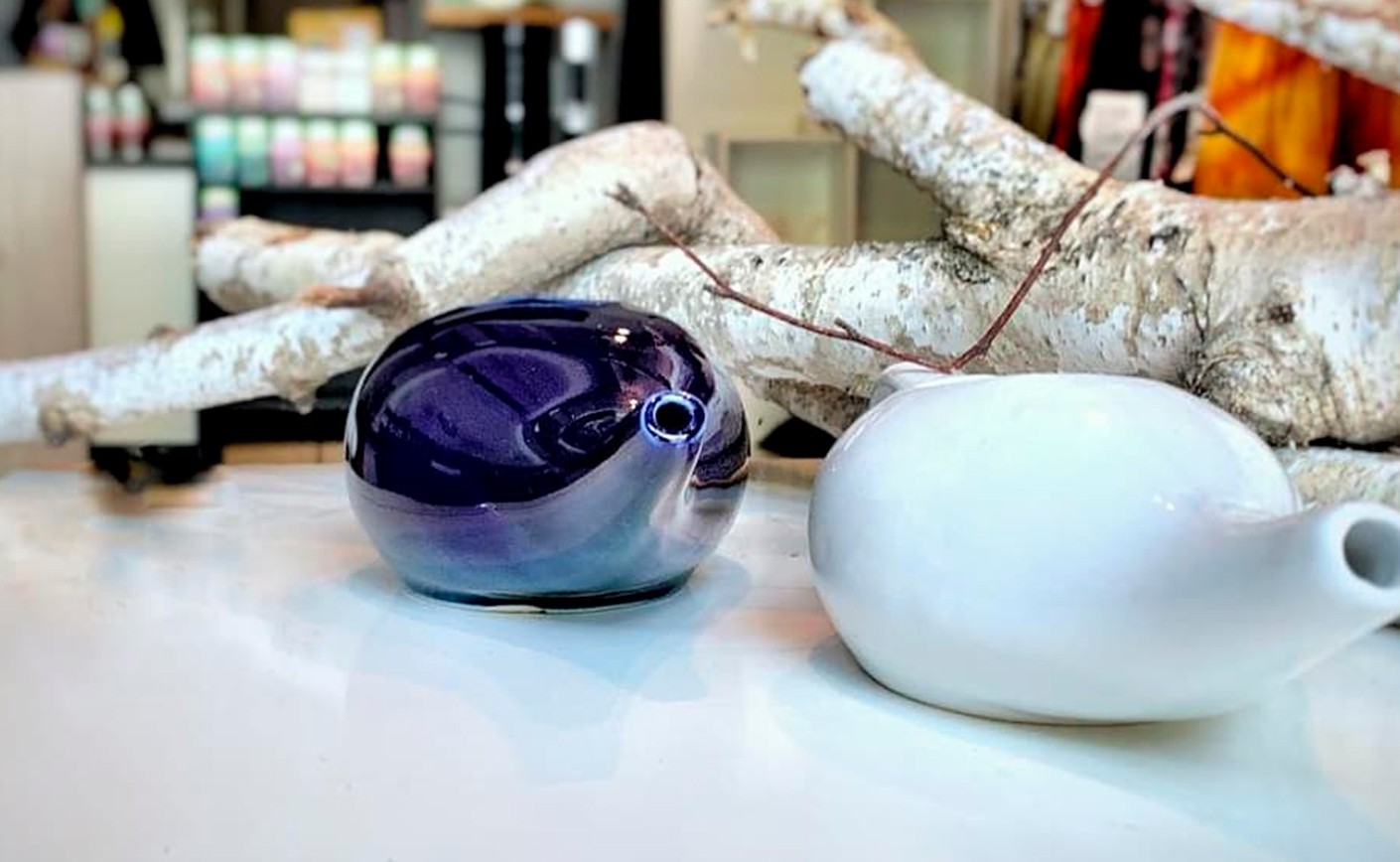
Jala Neti, from the Sanskrit "jala" (water) and "neti" (nasal), is an ancient nasal cleansing method dating back to...
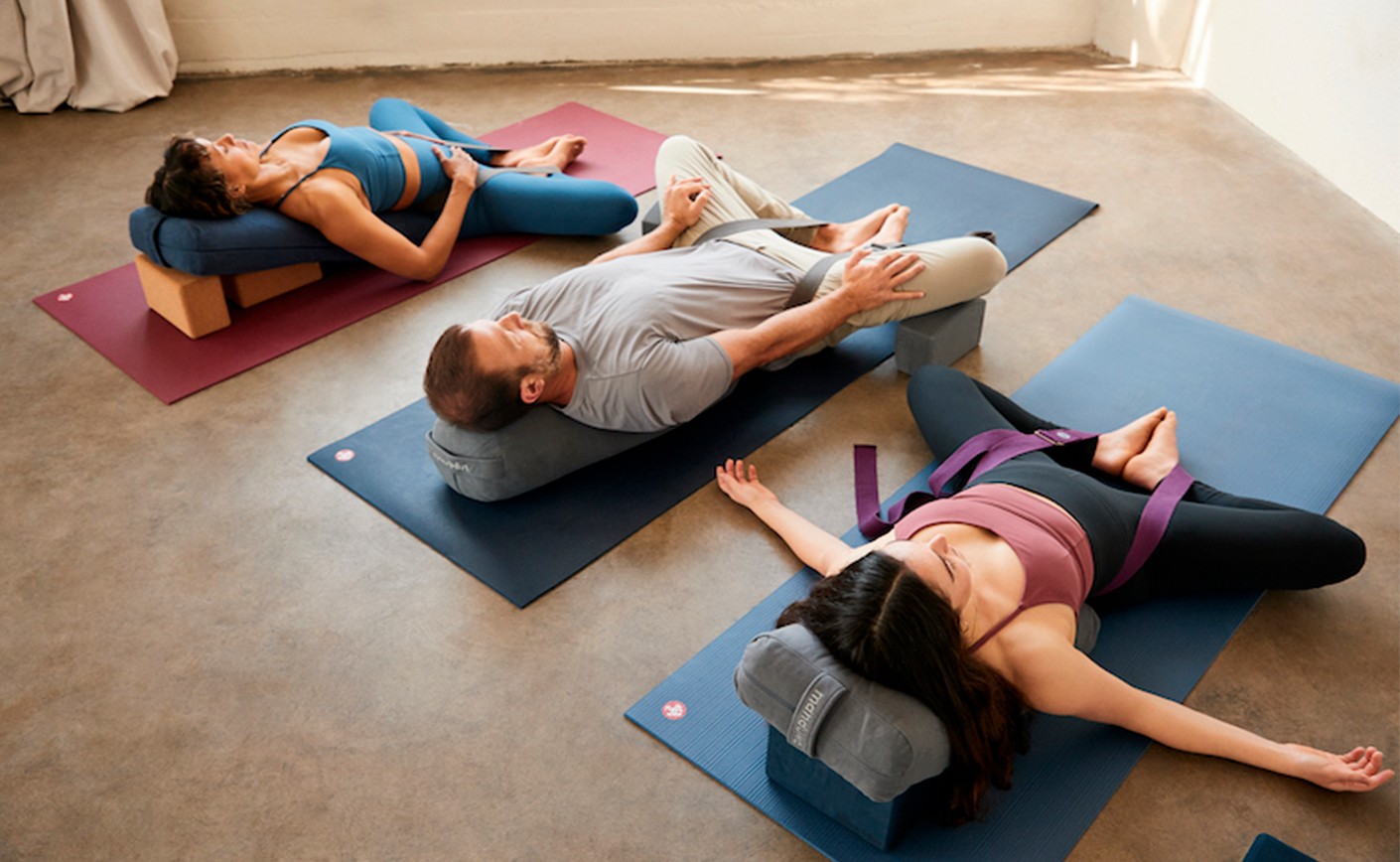
Restorative yoga is a very gentle practice aimed at deeply relaxing the nervous system. It works with and through the...
Start NOW, BREATHE Have you ever felt that life moves at such an intense pace that it pushes you towards...
Yoga mats are made of different materials, some grippier than others, and they behave differently depending on how...
Om mani padme hum · Om mani padme hum · Om mani padme hum · Om mani padme hum ... Repeating these syllables carved...
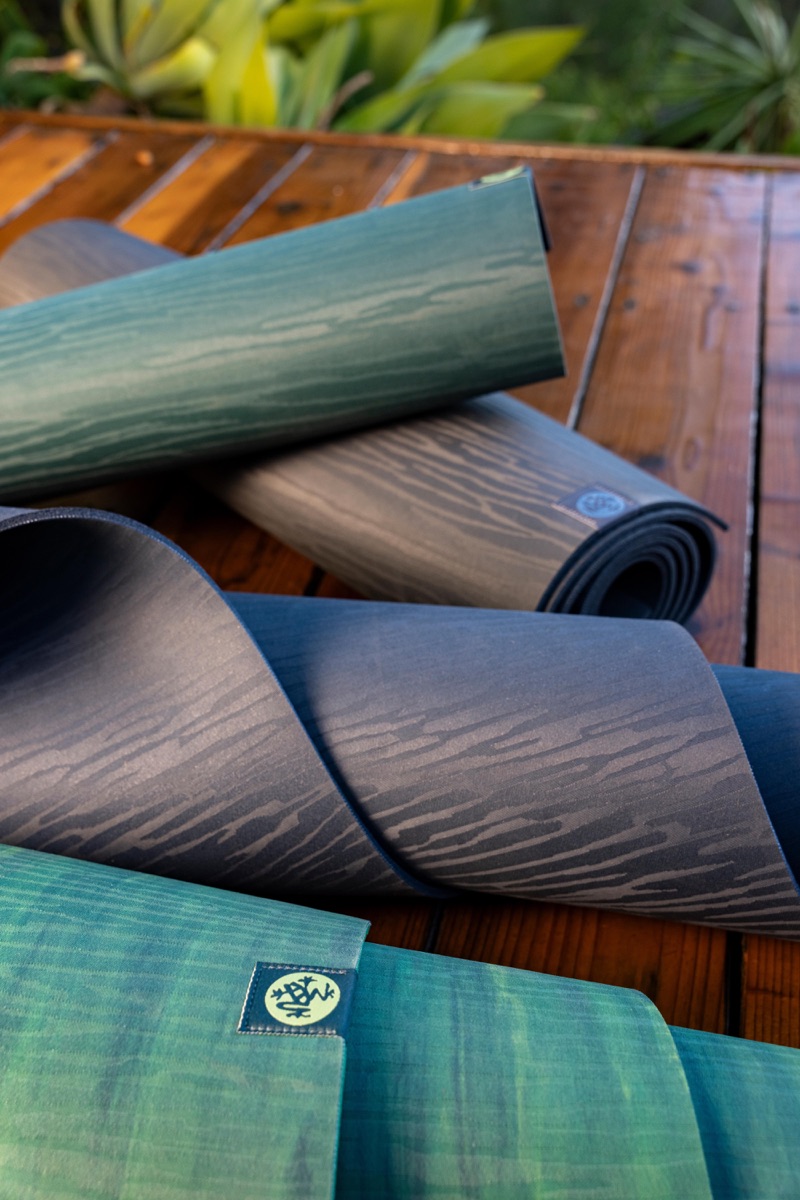
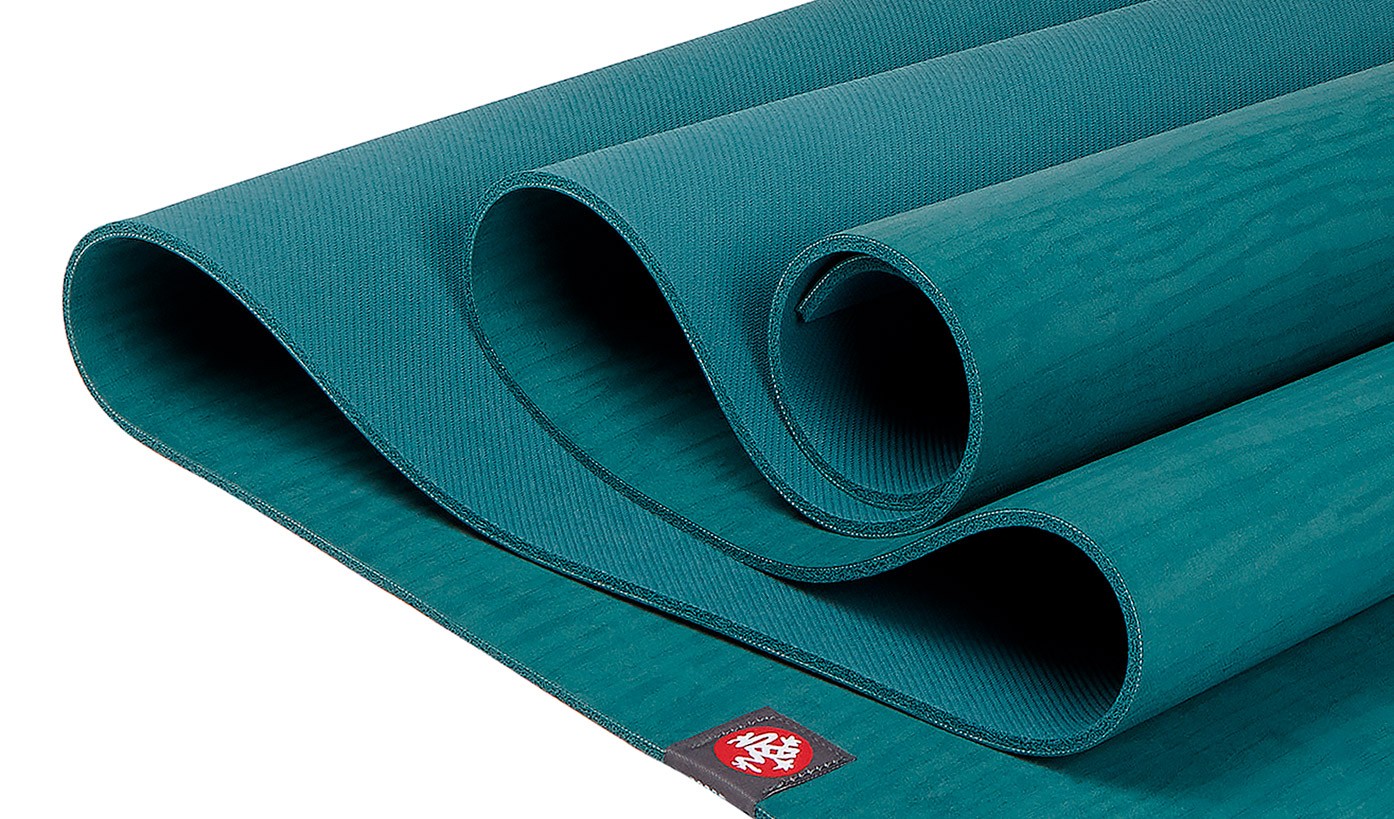
Yoga mats are made of different materials, some grippier than others, and they behave differently depending on how much you sweat. Depending on your practice, a natural rubber, recycled plastic, eco-polyurethane, cork or cotton mat will suit you better.
Your mat needs the right grip to stop your hands and feet from slipping, but the ideal amount of grip will vary depending on the style you practise.
Some very dynamic styles need good grip but also a mat that allows and follows the movement, while more static styles need a mat that helps hold the postures without slipping at all.
As for thickness, mats of 5 mm or more offer more cushioning for the joints. If you have no pain and want something lighter, 4 mm mats are fairly standard for regular practice. 3 mm mats are lighter and easier to carry. 2 mm or 1.5 mm mats can be folded like a blanket and are ideal for travelling, but they offer no cushioning.
Here are the features of each material to help you choose:
Rubber:
Rubber offers high performance for practice thanks to an ideal combination of cushioning and grip. It is extracted from the latex of many tropical plants, the most important being Hevea brasiliensis.
Rubber mats are ideal for Hatha Yoga, Hatha Raja Yoga, Iyengar yoga and medium-intensity Vinyasa styles.
Depending on how the rubber has been treated, it can feel smooth, like the classic Manduka mats of the EKO series, the GECO by Kurma or the Verde by Prana, or textured, like Jade's Harmony, Travel, Voyager or Level One. They are all non-slip and durable, so choosing one feel or the other is entirely personal.
In general, rubber mats are not recommended for very intense practice because of wear from friction, but some are designed specifically to perform well in styles such as Ashtanga Vinyasa Yoga or Rocket Vinyasa. One example is the Intensive by Chin Mudra.
To look after them, use a cleaner made for rubber, such as Manduka's Yoga Mat Restore or Jade's Plant-based Mat Wash, and wipe the mat gently with a damp cloth. Do not soak it or immerse it in water: washing it would speed up the breakdown of the material. If you use the classic homemade cleaner of water and a few drops of tea tree oil, add only a few drops so the acidity does not damage the material.
When new, rubber mats give off a characteristic smell; if you find it unpleasant, it may be a sign that you are allergic or sensitive to latex. The smell fades over time.
Rubber mats are not recommended for people with latex sensitivity.
Eco-polyurethane:
More and more mats are made with an eco-polyurethane surface derived from rubber. They give the best results in high-intensity practice, in high temperatures and with sweat. They have a satin feel and are very absorbent and non-slip. They have a layer of activated charcoal that absorbs moisture.
In the shop you will find Manduka's GRP HOT and GRP Adapt, with plenty of cushioning, the ATHA and the Liforme with their posture alignment system, and the smooth, elegant Born to Yoga. They all offer high performance and value in intense practice.
Eco-polyurethane mats are not recommended for people with latex sensitivity.
To look after them, use the cleaner made for the GRP, Manduka's Mat Wash Everyday Cleanser.
Recycled plastic:
The synthetic polymers we call plastics have become a major environmental problem, but treated responsibly, avoiding toxic chemicals when the mats are made, they offer excellent performance for practice.
Although plastic generally does not grip as well as rubber, when treated well it is ideal for all dynamic practices that need a very hard-wearing surface that follows the movement.
You will find it with perfect density and a feel that improves with use in Manduka's PRO series, which has a lifetime guarantee, the classic Begin, or Kurma's CORE and Extra mats. Chin Mudra's Standard is ideal if you are just starting out. They all have OEKO-TEX and/or EKO TPE certification.
Cork:
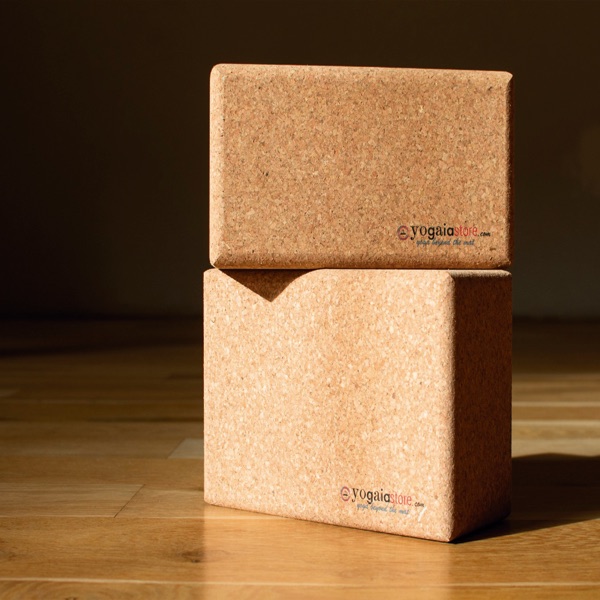
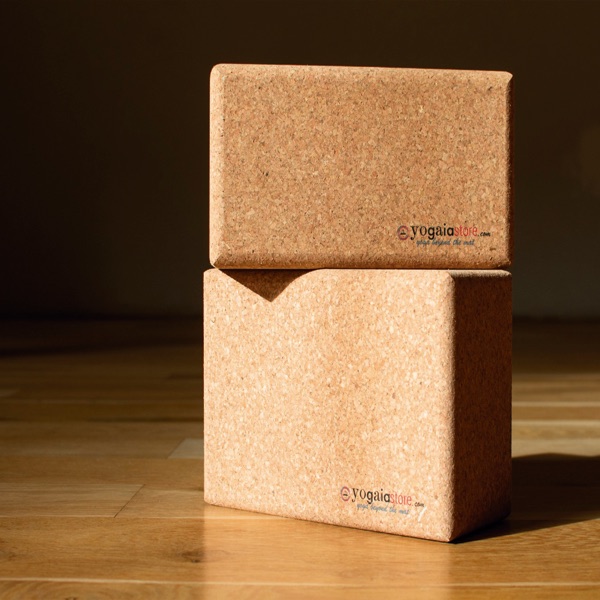
Cork is the outermost part of the bark of certain trees, made of an extraordinarily light, porous and waterproof tissue.
It is very clean and hard-wearing, naturally antibacterial and smooth and soft to the touch. Cork mats are beautiful, and the feeling of cleanliness and nature they give often makes us choose them, but bear in mind that they gain grip with sweat, so if you do not sweat at all you will probably slip.
They need some moisture on the hands and feet to offer a comfortable practice.
Cotton:
Mats woven from cotton offer that natural, traditional experience that takes us back to the origins. They are often used on top of another mat for floor postures that need less grip, but you will also find them woven with latex or rubber so they can be used on their own without stretching or losing their shape, such as the De Uria mats, made with plant dyes with Ayurvedic properties, or Jade's Mysore Yoga Rug.
Om mani padme hum
First steps into meditation
The practice of restorative yoga
Nasal cleansing and respiratory health
Leave a comment