



Jala Neti, from the Sanskrit "jala" (water) and "neti" (nasal), is an ancient nasal cleansing method dating back to...
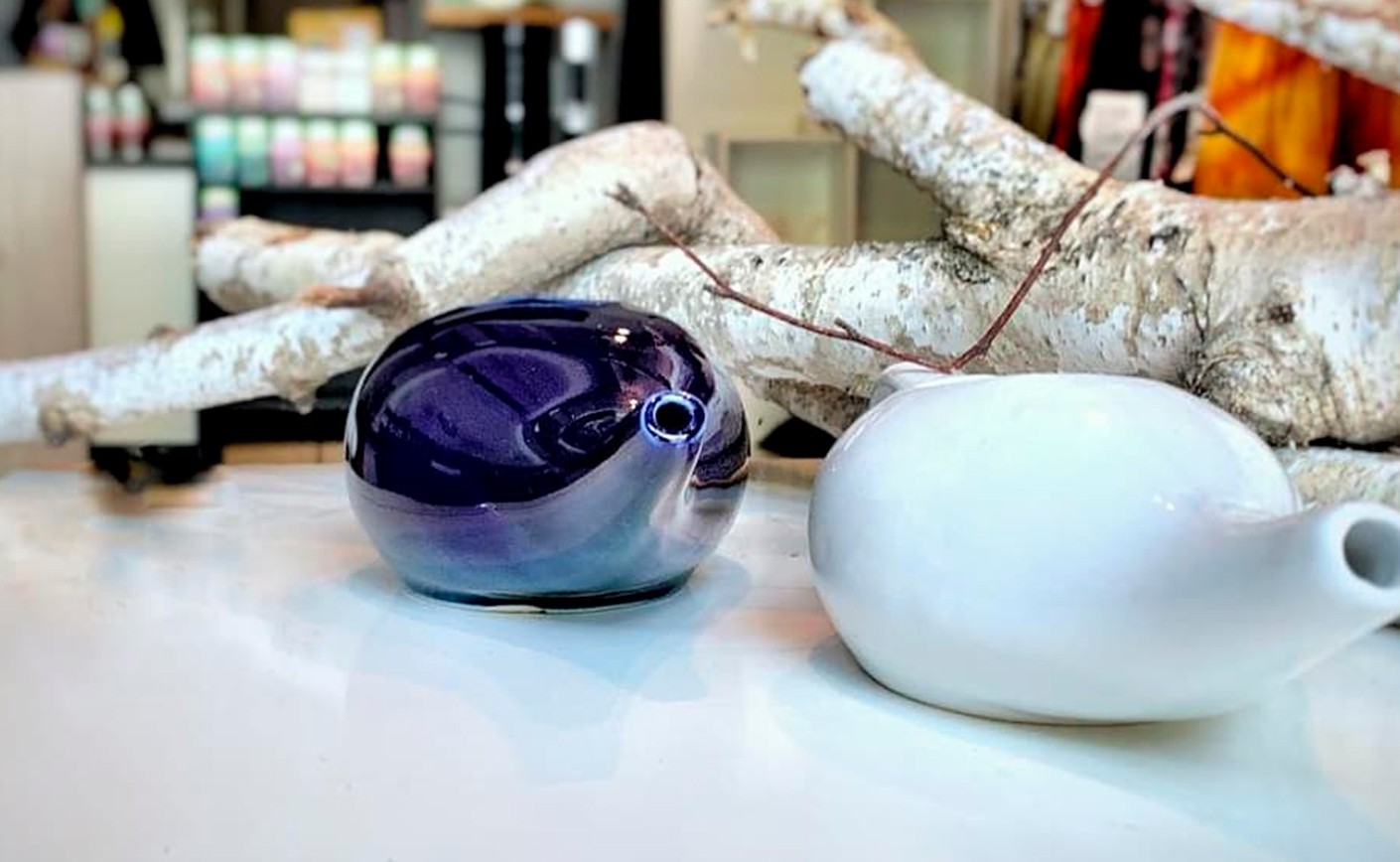
Jala Neti, from the Sanskrit "jala" (water) and "neti" (nasal), is an ancient nasal cleansing method dating back to...

Restorative yoga is a very gentle practice aimed at deeply relaxing the nervous system. It works with and through the...
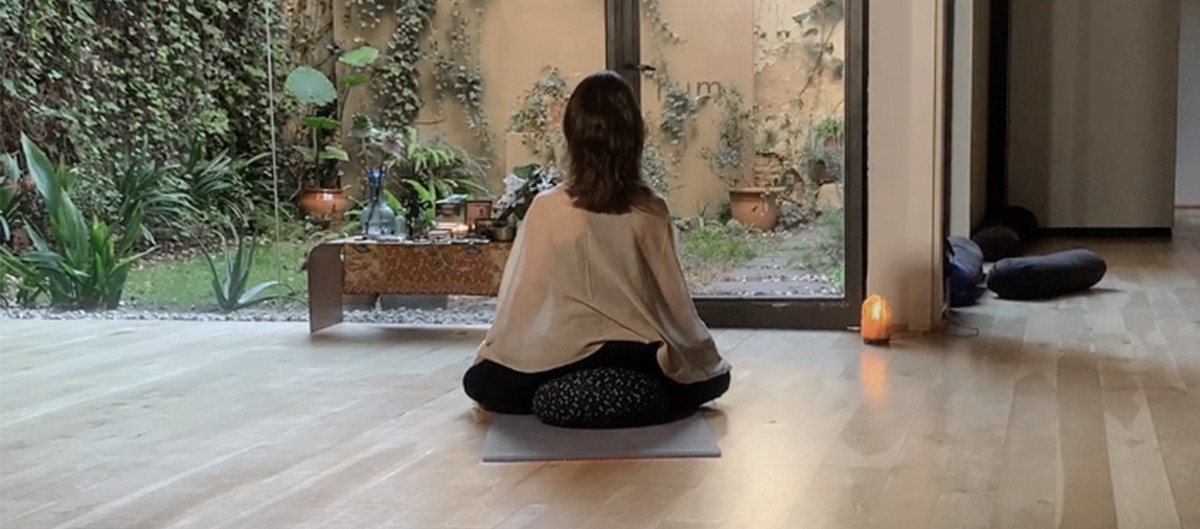
Start NOW, BREATHE Have you ever felt that life moves at such an intense pace that it pushes you towards...

Yoga mats are made of different materials, some grippier than others, and they behave differently depending on how...
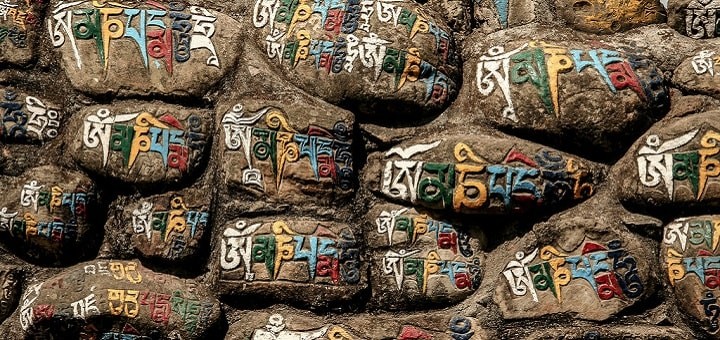
Om mani padme hum · Om mani padme hum · Om mani padme hum · Om mani padme hum ... Repeating these syllables carved...
Om mani padme hum · Om mani padme hum · Om mani padme hum · Om mani padme hum ...
Repeating these syllables carved in stone, through the very constancy and vibration of a sound spoken again and again, beyond the meaning of the words, opens the door to peace and compassion.
On stone, perhaps the most primal element of mother earth, the message of pure love has been engraved: the highest vibration, which asks the universe for the good of all beings.
This is without doubt one of the most beautiful mantras, perhaps the best known in Buddhism. It translates as 'The jewel is in the lotus'. When the meaning of each syllable is added to the power of repetition, which focuses the mind and invites it to rest, the mantra becomes enormously powerful.
Following the explanation given by the Dalai Lama:
Om symbolises the impure body, speech and mind of the practitioner, but also the body, speech and mind of a buddha who has advanced along the path, gradually leaving impure states behind until reaching enlightenment. The path is shown by the four syllables of 'mani' and 'padme'.
Mani means jewel, precious stone, ornament, and symbolises the altruistic intention to attain clarity of mind, compassion and love. Just as a jewel can remove poverty, the altruistic mind can remove poverty of spirit.
Padme means lotus and symbolises wisdom.
Hum indicates indivisibility. Purity is attained through the indivisible unity of method and wisdom.
The sublime beauty of the lotus flower, which grows in muddy places and becomes one of nature's most precious manifestations, also represents the human condition itself: set amid the difficulties that existence so often brings, yet able to find the path of transformation that leads to enlightenment. Repeating the mantra thus invokes the principle of universal compassion from the vibration of pure love, for the happiness of all beings.
The right mat makes the difference
First steps into meditation
The practice of restorative yoga
Nasal cleansing and respiratory health
Leave a comment