Jala Neti, from the Sanskrit "jala" (water) and "neti" (nasal), is an ancient nasal cleansing method dating back to...
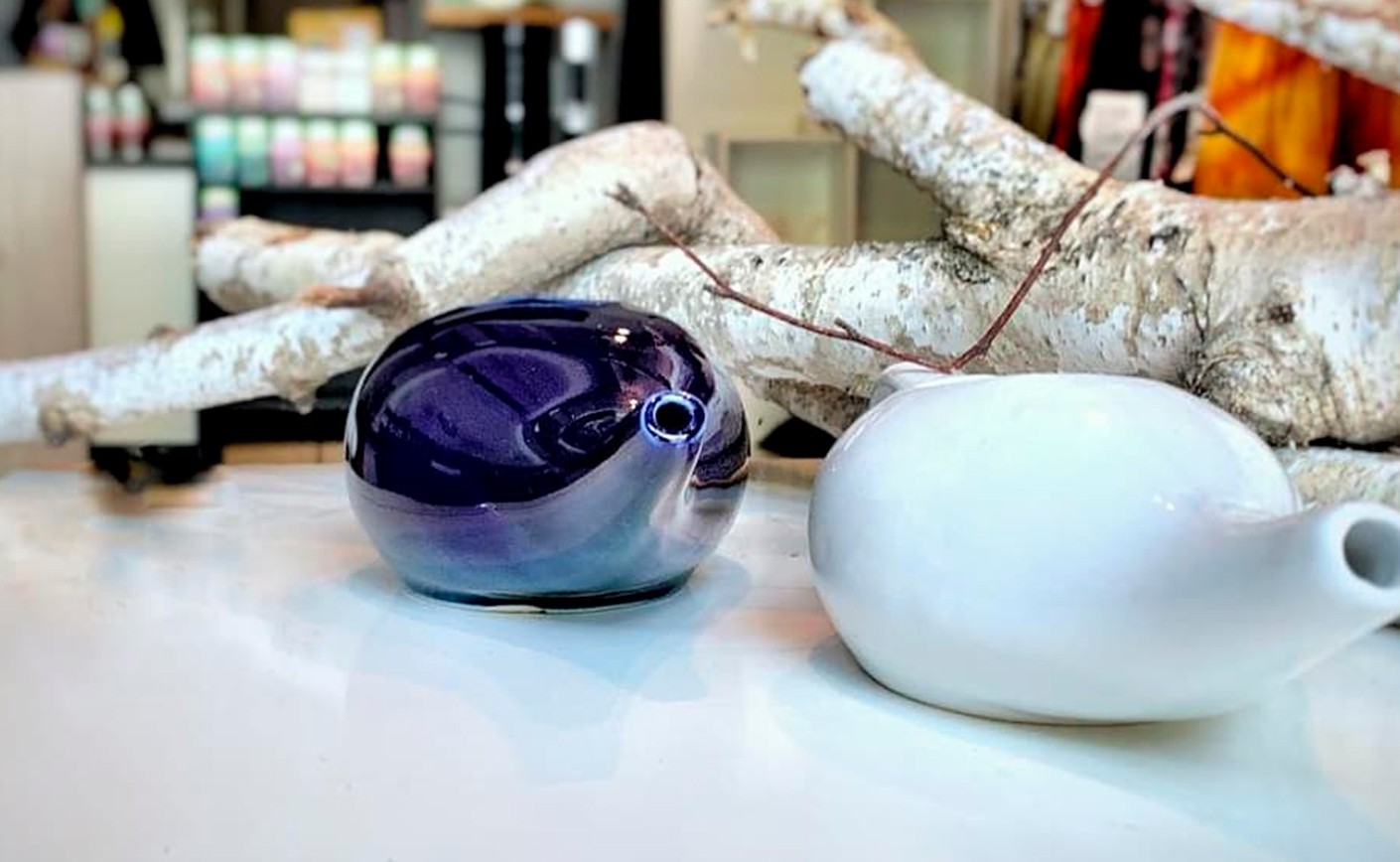
Jala Neti, from the Sanskrit "jala" (water) and "neti" (nasal), is an ancient nasal cleansing method dating back to...
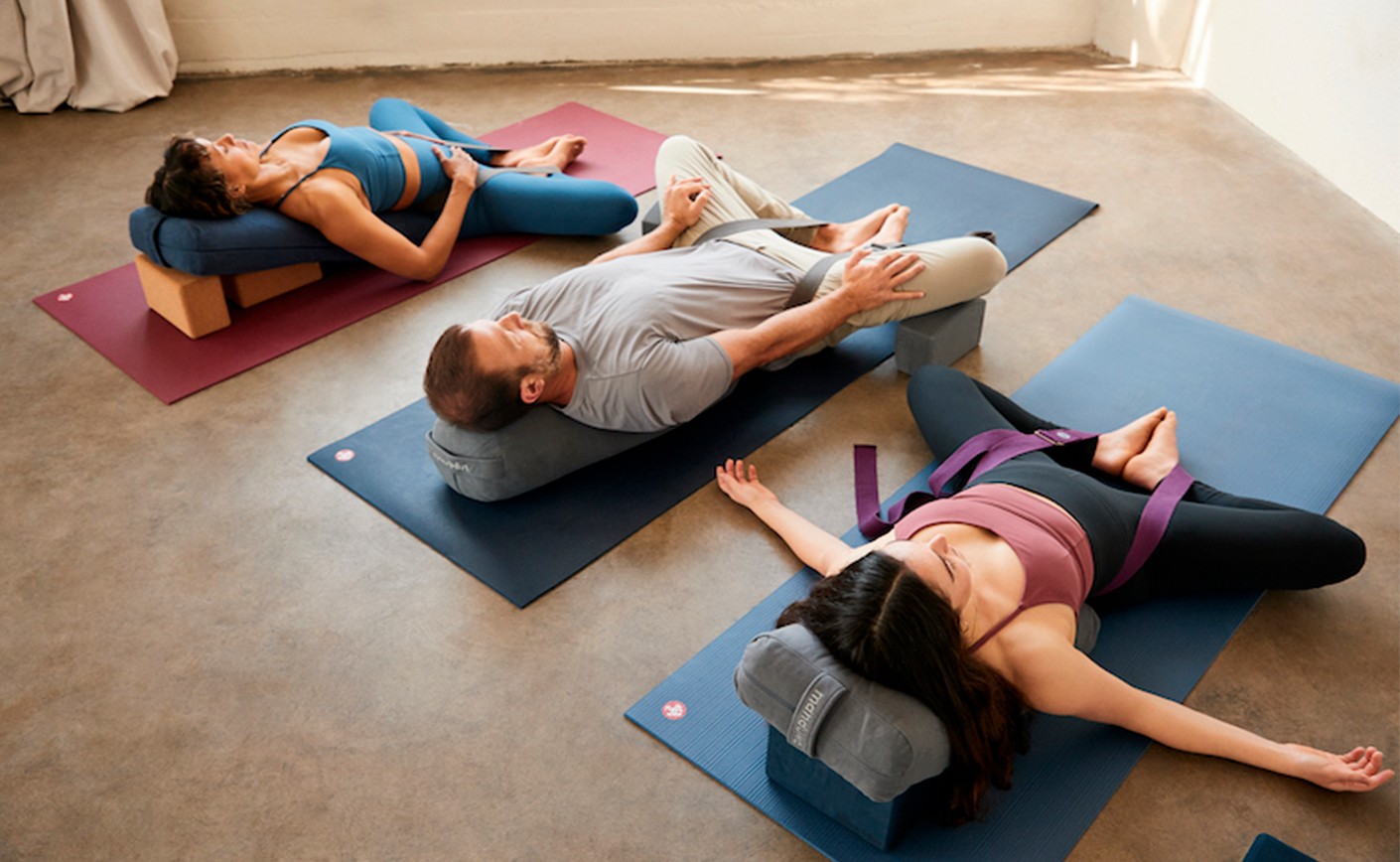
Restorative yoga is a very gentle practice aimed at deeply relaxing the nervous system. It works with and through the...
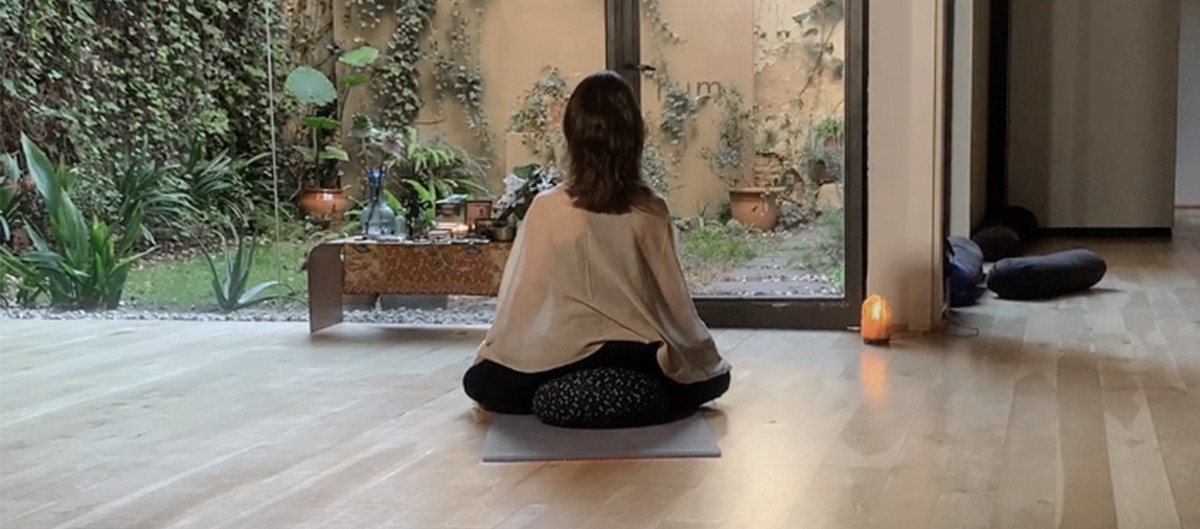
Start NOW, BREATHE Have you ever felt that life moves at such an intense pace that it pushes you towards...
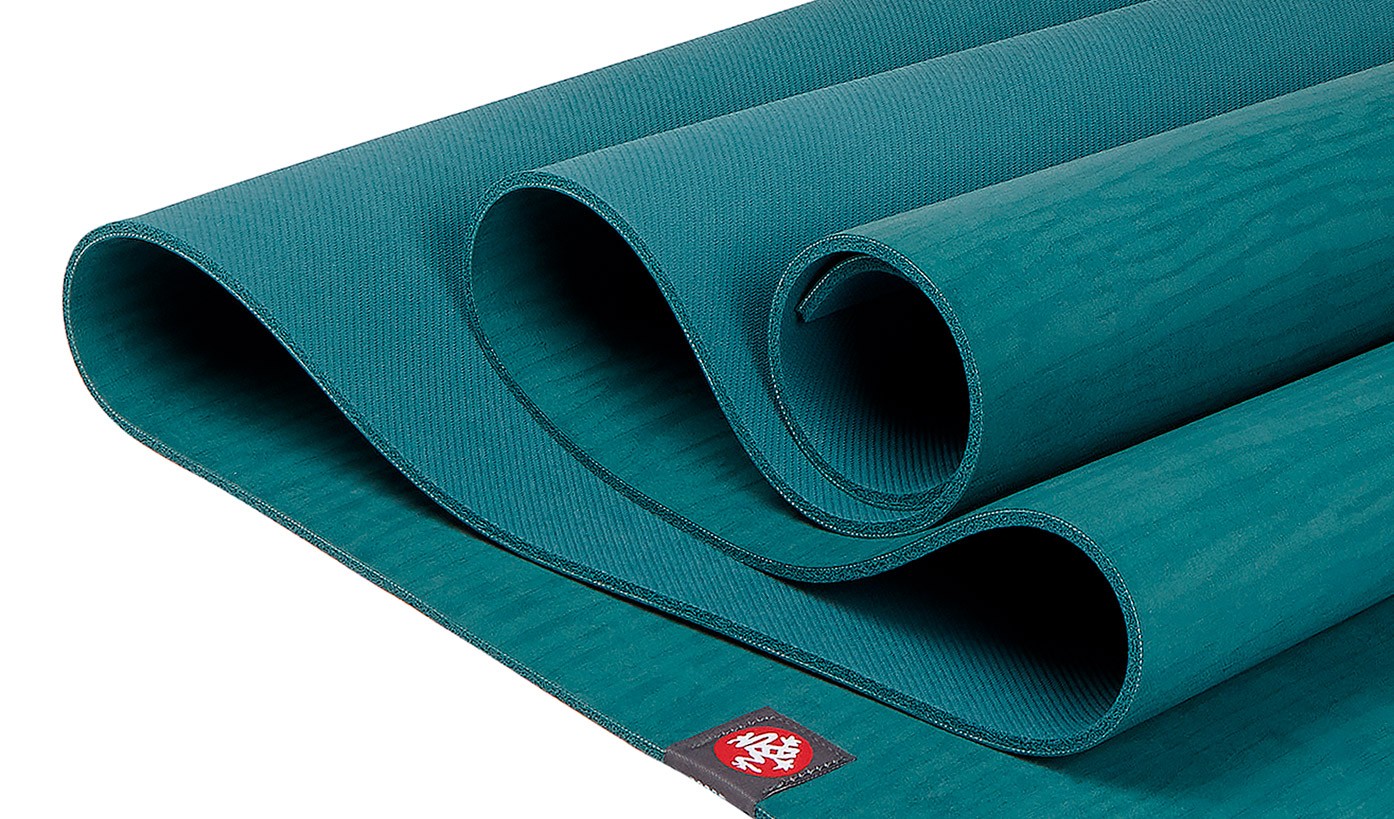
Yoga mats are made of different materials, some grippier than others, and they behave differently depending on how...
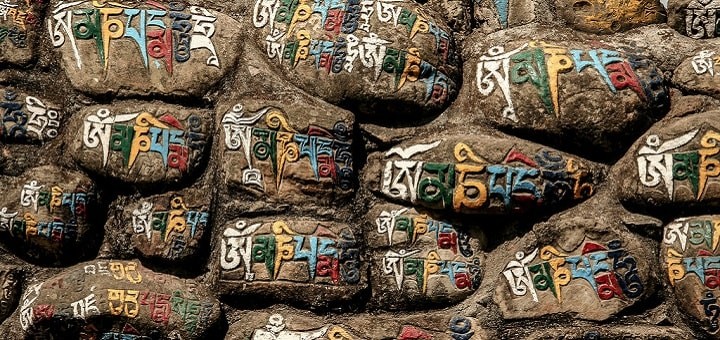
Om mani padme hum · Om mani padme hum · Om mani padme hum · Om mani padme hum ... Repeating these syllables carved...
Start NOW, BREATHE
Have you ever felt that life moves at such an intense pace that it pushes you towards restlessness and fatigue? Have you ever had the feeling of losing your way and leaving behind something you cannot explain, but which you recognise in words such as calm, stillness, tranquillity, peace, silence, harmony, humanity, fulfilment?
Have you heard that meditation can help you, but it seems a difficult path to take?
If the answer is yes, you have already taken the first step: becoming aware. The next step is simply to breathe consciously, surrendering to the natural process that will gradually root you in the experience of the present moment.
Pausing in the instant you are living, even for a very brief moment, can be deeply transformative. It can happen anywhere: while you wait for public transport, between everyday tasks, or in the time you set aside to go a little deeper within yourself.
Meditation, understood as a practice connected with inner silence, gives us back that intimate experience of calm and fulfilment that we can recognise in ourselves because it is ours; it is strength for life.
To meditate is to live our humanity fully. That is why the path is not always easy: it takes us through our fears and contradictions, but it is always rooted in the most immediate simplicity of the breath, and this comforts us. Simply beginning is already a powerful experience, even if it takes a longer or shorter period of practice to free ourselves from the coming and going of thoughts.
We will see them, step back from them and let them pass, and this will help us cultivate the most loving and compassionate qualities towards ourselves. We will return to the breath again and again, gather our senses and, sooner or later, the fruit of meditation will reveal itself: the contemplative state that lies beyond words.
It is a good idea to find a quiet, clean and well-ventilated place that feels welcoming. If it is silent, all the better, but if that is not possible, it will not be an obstacle: meditation itself will lead us towards inner silence, so that sounds from outside no longer interfere with the process.
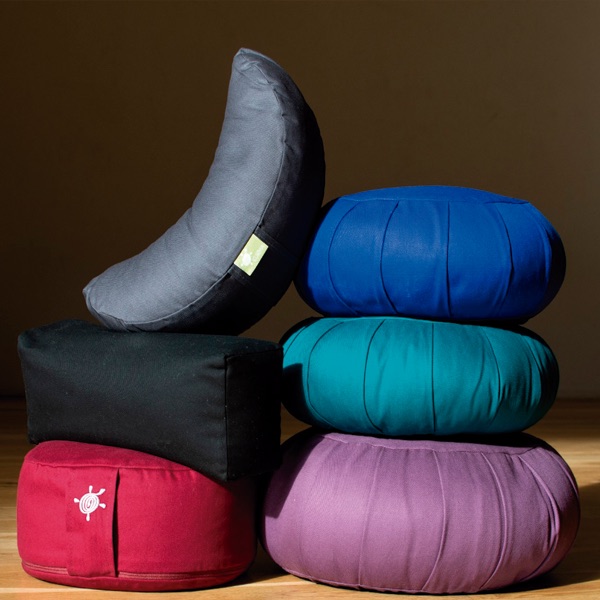
We will adopt a kind posture that lets the back stay comfortably upright. We will make sure the base of the posture suits our body: if it feels right, we will sit cross-legged on a meditation cushion or use a meditation bench, but if this is uncomfortable, we can sit on a chair.
With the back straight, the diaphragm has all the space it needs for the full movement of the breath. We will gently project the base of the spine towards the centre of the earth, seek stability around the sacrum, notice an uplifting energy rising from the solar plexus, give a sense of spaciousness to the torso, chest, back and shoulders, relax the throat and, as we project the crown of the head towards the sky, the neck will move gently back and the chin will stay parallel to the floor. We will relax the arms and rest the hands on the knees in whichever way is most comfortable for us: palms open facing up, facing down, or joining index finger and thumb in a gesture of gathering inwards. We will let the face rest, lovingly observe the sensations of the body and, if it helps, rest our inner gaze on the space between the eyebrows while we simply follow the exhalation until it comes to an end.
We will enter the flow of the breath, observing the pauses it offers us, on the way to mental peace and inner contemplation.
In the classical text of raja yoga, Patañjali's Yogasūtra, we read: "Concentration is the fixing of the mind on one point" [3.1], and it continues: "meditation is the continuity of perception on that point" [3.2]. The continuous perception of the mind stills mental activity. What is more, it leads us towards contemplation [3.3]: when the mind seems to have emptied itself of itself.
The literature on meditation, developed by a wide range of traditions and styles, is very rich in exercises that can help us according to our nature: many start from concentration techniques to lead us to the fruit of the meditative state, while others let the imagination fly. The closer the chosen path is to what is real in us, the more it will lead us to the inner encounter in silence.
Meditation on the mantra SO HUM (pronounced "ham") is a good path. It gathers the scattered mind into a single thought that connects us with the essence of who we are: "I am that", "that is me": that which does not change in me. It helps free our ego from identifying with everything that is subject to the passing of time, and brings great calm and presence. SO in the mind as we breathe in, HUM in the mind as we breathe out. We can accompany the mantra with a very gentle movement of the hands, closing them into a fist as we breathe in and opening them as we breathe out, in one seamless movement.
The practice of meditation is highly recommended for everyone, especially for people who find it hard to concentrate, those who need tools to manage their own emotions, or those who want a space for inner encounter.
Meditation often brings us face to face with our own fears and worries, but it helps enormously to release them and to move towards an experience of freedom and fulfilment.
If you feel you need it, start NOW. BREATHE...
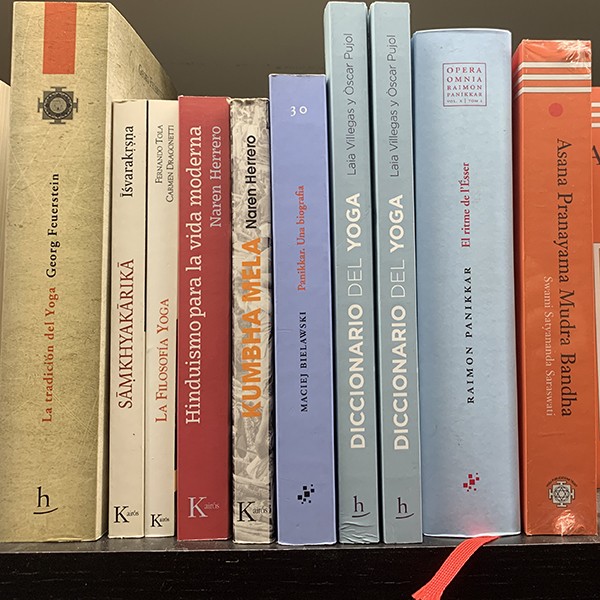
Recommended reading (books in Spanish and Catalan):
Camino hacia el silencio, Esteve Humet. Herder
Meditación para principiantes, Jack Kornfield. Kairós
Siéntate como un buda, Lodro Rinzler. Kairós
Meditar día a día, Christophe André. Kairós (Catalan and Spanish editions)
Cómo meditar, Lawrence LeShan. Kairós
La serenidad de la meditación, Dalai Lama. Amara
Among many other titles you will find at yogasfera.com or in the shop at www.yogaiabcn.org, Passeig de Sant Joan, 121, Barcelona.
Om mani padme hum
The right mat makes the difference
The practice of restorative yoga
Nasal cleansing and respiratory health
Leave a comment